Conversion Rate Optimization (CRO)
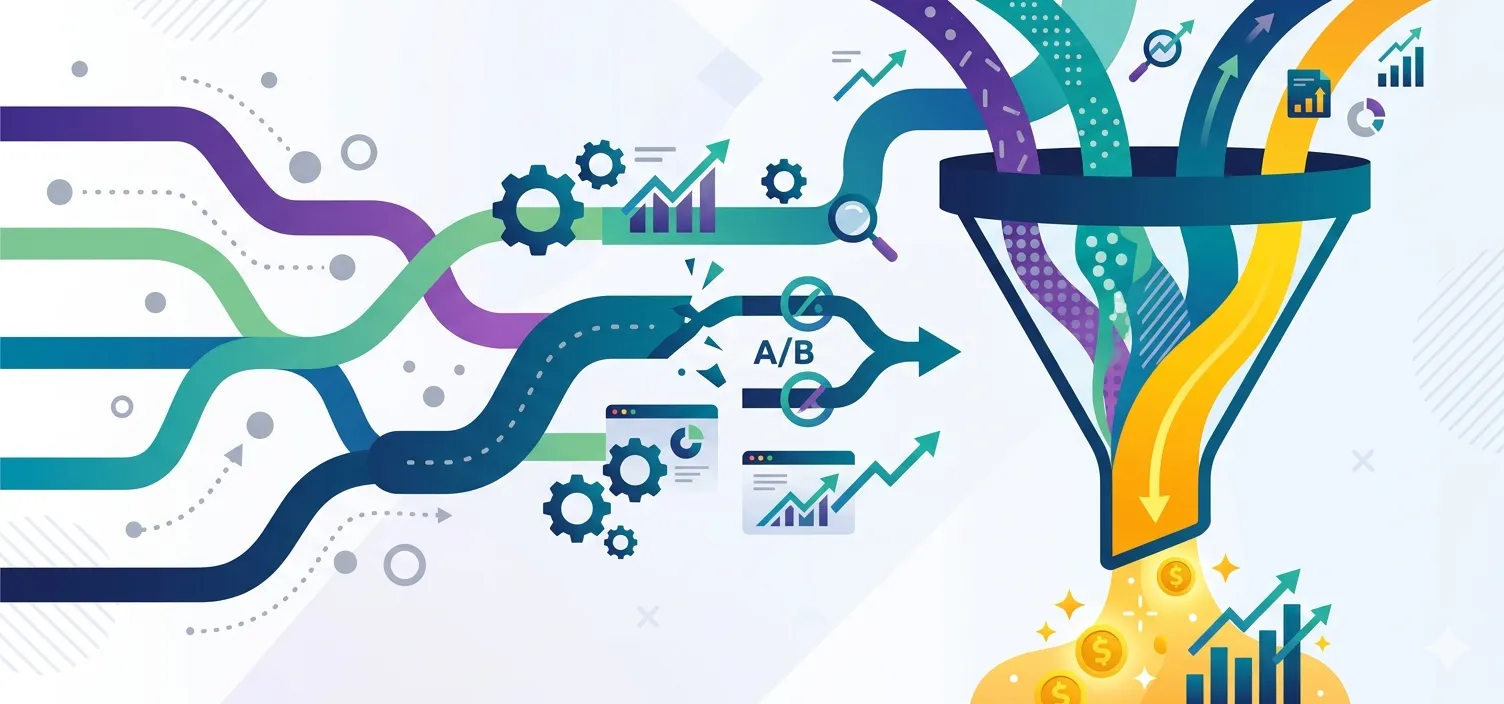
Conversion Rate Optimization (CRO) is the systematic process of increasing the percentage
of website visitors who take a desired
as making a purchase, filling out a
form, or signing up for a newsletter.
According to RKS Infotech, CRO is about transforming your existing traffic into actual
business results.
Core Components of CRO
- Analytics & Tracking
- User Behavior Analysis
- A/B Testing
- Landing Page Optimization
- Funnel Optimization
- Heatmaps & Session Recordings
- User Experience (UX) Improvements
- Conversion Copywriting
Why is CRO Essential for Businesses?
- Increased Revenue
- Better ROI
- Enhanced User Experience
- Reduced Acquisition Costs
- Valuable Customer Insights
Why CRO Matters for Your Business
Increased Revenue
By optimizing your website, you can significantly increase your sales and
revenue without increasing your marketing spend.
Better ROI
CRO helps you get more value from your existing traffic, improving your
overall marketing ROI.
Frequently Asked Questions
01 How long does it take to see results from CRO?
While minor "quick-fix" optimizations (like fixing a broken button) show
immediate results, a comprehensive Conversion Rate Optimization strategy
typically requires 3 to 6 months. This allows enough time for A/B
testing and gathering statistically significant data on user behavior.
02 What is the difference between CRO and SEO?
SEO (Search Engine Optimization) focuses on bringing people to your
website by improving rankings. CRO (Conversion Rate Optimization)
focuses on what those people do once they arrive, ensuring they take a
specific action like buying a product..
03 Do I need a high-traffic website for CRO to work?
While more traffic provides data faster, CRO is valuable for any
business. If you have low traffic, the focus shifts more toward User
Experience (UX) improvements and qualitative feedback rather than
large-scale A/B testing.




 +91 90876 77222